
How universities are using exoskeletons in robotics and human performance research
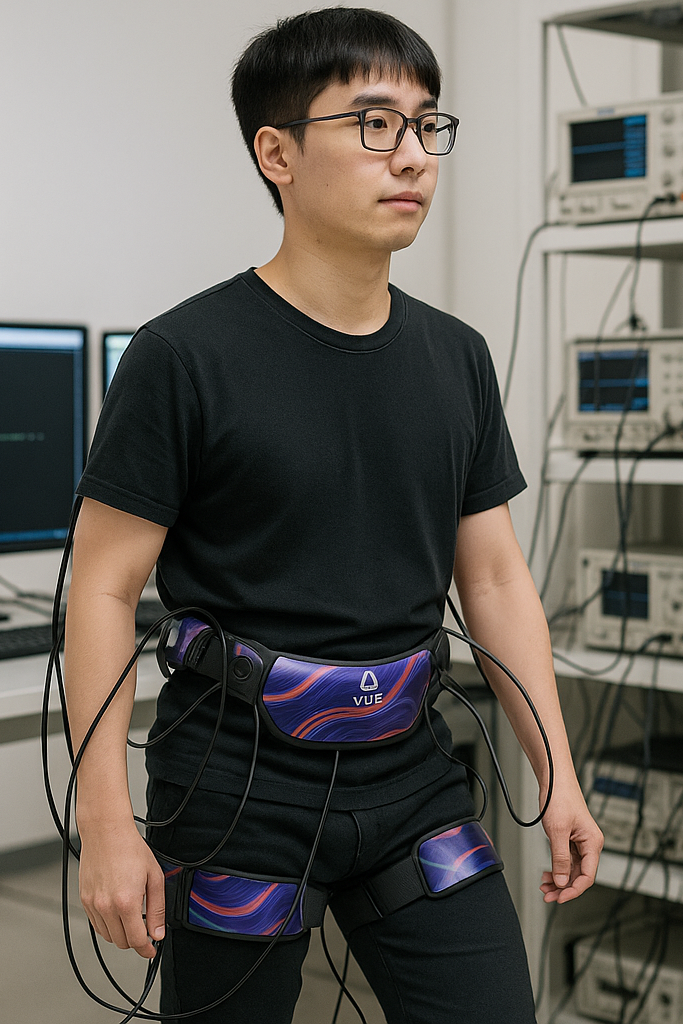
Universities and research centers across Europe are always looking for the next frontier in biomechanics, robotics, and human performance. Increasingly, that frontier is wearable robotics, exoskeletons.
Once considered futuristic or impractical, exoskeletons are now affordable and accessible enough to become standard tools in labs, classrooms, and training centers.
Why Exoskeletons Belong in Academia
For researchers and educators, exoskeletons offer:
- Hands-on learning for engineering, robotics, and biomechanics students.
- Experimental platforms for testing human–machine interaction.
- Data collection tools for studying gait, balance, and endurance.
- Cross-disciplinary applications in sports science, healthcare, and ergonomics.
Instead of being abstract concepts in textbooks, exoskeletons allow students to experience real-world innovation firsthand.
The Kenqing ANT-C1-E: Built for Research
Among the Kenqing lineup, the ANT-C1-E stands out as a perfect research platform:
- Ultralight (2.3 kg) – easy to use for long sessions.
- Adaptive torque (8 kg per leg) – suitable for controlled experiments.
- Modes: Walking & Fitness – versatile for academic studies.
- App control (Android/iOS) – real-time parameter adjustments and data tracking.
- Safe & non-medical – accessible to a wide range of users in supervised settings.
This makes it ideal for universities, biomechanics labs, and training centers that want both usability and reliable data.
Real-World Academic Applications
- Robotics & engineering programs → designing control algorithms and testing AI adaptation.
- Sports science labs → studying endurance, gait efficiency, and performance improvement.
- Healthcare research → mobility studies, elderly care simulations, rehabilitation trials.
- Cross-disciplinary projects → combining mechanical engineering, human physiology, and data science.
A Catalyst for Innovation
By integrating exoskeletons into education, universities:
- Attract research funding and partnerships.
- Inspire the next generation of robotics engineers and scientists.
- Build bridges between academic theory and practical, market-ready applications.
Conclusion: From Classroom to Real World
Exoskeletons are no longer just the subject of academic papers, they are tools shaping the future of mobility, industry, and healthcare.
At Eazy Walking, we provide Kenqing research-focused exoskeletons, including the ANT-C1-E, to universities and labs across Europe (except Germany, UK, and France).