Author name: John Doe

Uncategorized

Enhancing the cruise experience

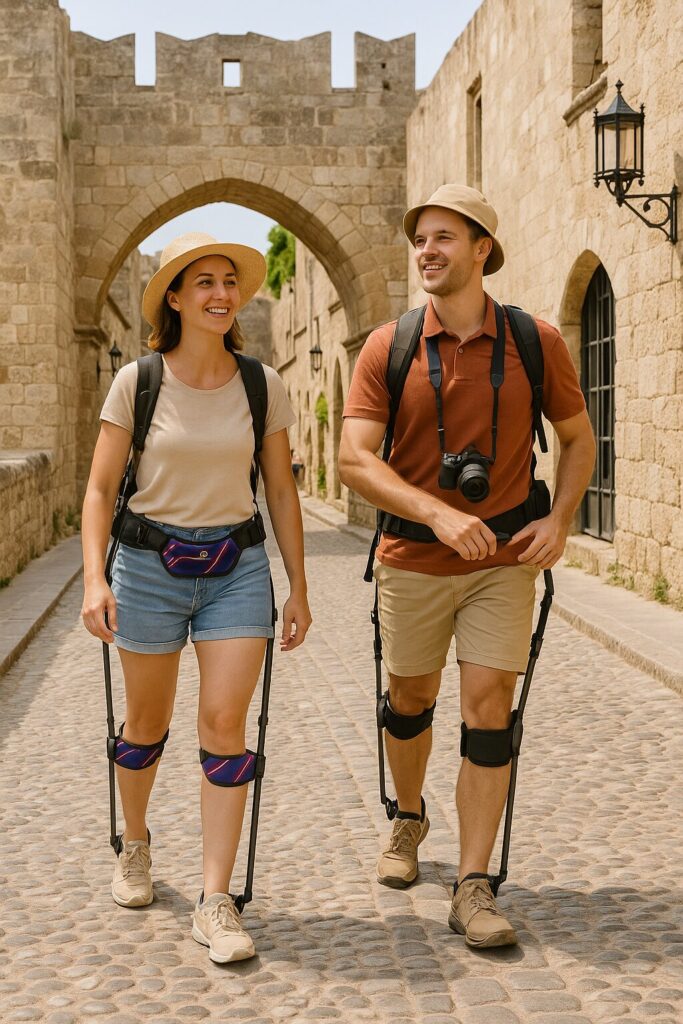
Enhancing the cruise experience Cruise lines are masters of innovation. From fine dining to immersive entertainment, they continuously search for ways to delight passengers and stay ahead of expectations. Over the past decade, technologies like audio guide headsets and VR experiences have elevated shore excursions. Now, a new innovation is arriving on deck: exoskeleton rentals. The Challenge of Shore Excursions Shore excursions are often the highlight of a cruise, but they can also be demanding: Long walks through historic cities Hilly or uneven terrain Heat, fatigue, or limited mobility for some passengers This can leave guests unable to fully enjoy the experience, or worse, choosing to skip excursions entirely. Exoskeletons: A Game-Changer for Guests With lightweight exoskeletons like the Kenqing π, passengers can: Walk further without fatigue Climb steps and inclines more easily Participate confidently, regardless of age or stamina Experience tours together with family and friends, without being left behind It’s not about replacing the thrill of exploring, it’s about making it accessible to everyone. Why Cruise Lines Benefit For cruise operators, exoskeleton rentals mean: Happier guests → higher satisfaction scores and loyalty Increased excursion revenue → more passengers book tours when fatigue is less of a barrier Differentiation → offering cutting-edge amenities no competitor can match Positive PR → showcasing innovation and inclusivity In a market where guest reviews shape brand perception, small innovations create big advantages. The Kenqing π: Perfect for Tourism Lightweight (1.8–2.1 kg) → comfortable for all-day use Smart AI motion support → adapts naturally to each passenger’s pace Foldable design → easy to transport and store onboard Three color options → stylish and approachable, not intimidating Both the π Standard and π Plus are tailored for tourism, leisure, and group experiences, making them ideal for cruise excursions. Rentals Made Simple At Eazy Walking, we provide rental kits designed for tourism operators and cruise lines: Bundles of 15–300+ units Charging docks, spare batteries, and quick-start guides Staff training for fitting, sanitisation, and supervision Clear playbooks for safety and guest flow With a lead time of just a few weeks, operators can launch pilots and scale quickly. The Future of Excursions Just as audio guides once transformed how passengers experienced culture, exoskeletons are now transforming how they experience mobility. With Eazy Walking, cruise lines can take the next step in guest innovation, offering not only memorable excursions but also inclusive, effortless experiences that guests will never forget. 👉 Contact us today to explore exoskeleton rentals for your cruise operation.
chatgpt image aug 21, 2025, 01 15 16 pm
Uncategorized

Exoskeletons in rescue operations: giving first responders extra endurance

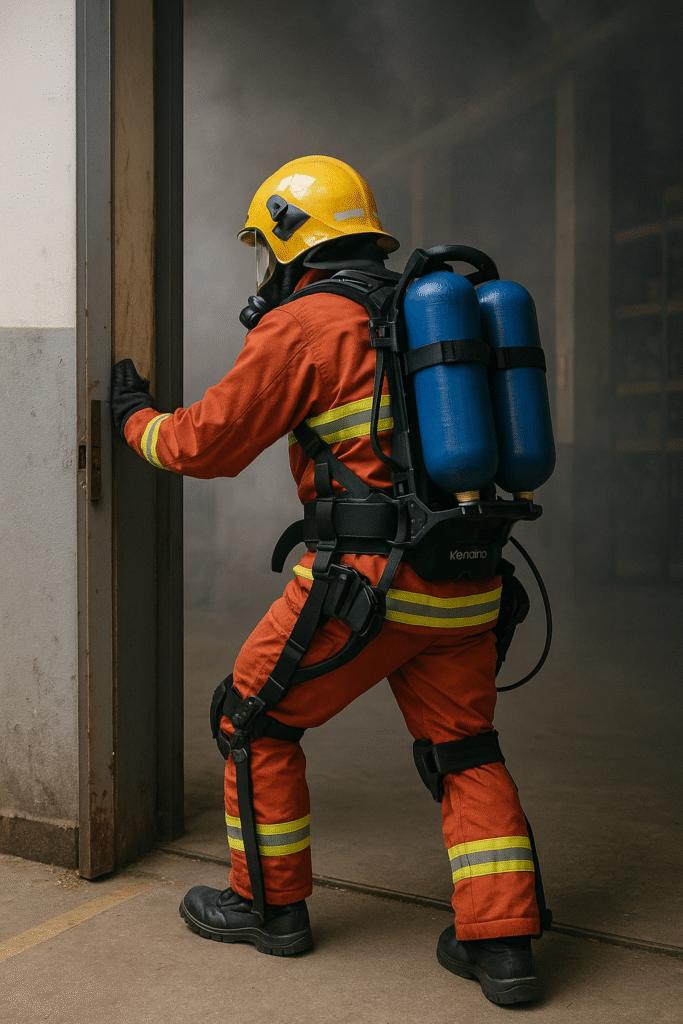
Exoskeletons in rescue operations: giving first responders extra endurance When disaster strikes, first responders face extreme physical challenges, carrying heavy gear, covering long distances, and working for hours under stress. Fatigue isn’t just uncomfortable, it can be the difference between life and death. This is where exoskeletons are beginning to transform rescue operations, giving responders the endurance and strength they need to save more lives. The Challenge of Rescue Work Rescue teams regularly face: Heavy loads of equipment (medical kits, rescue tools, protective gear). Unpredictable terrain (rubble, forests, steep slopes). Extended missions lasting hours or days. High injury risk from overexertion and fatigue. Traditional protective gear does not reduce the strain, exoskeletons do. How Exoskeletons Help Rescuers Rescue-focused exoskeletons provide: Load redistribution → shifting weight from the back to the ground (Beetle-L1). Torque assistance → reducing effort when walking or climbing (ANT-P1). Endurance extension → sustaining mission performance without early fatigue. Reduced injury risk → preventing musculoskeletal strain in extreme conditions. The Kenqing Rescue Line Beetle-L1: Passive, lightweight, requires no battery. Redistributes up to 50% of load, perfect for patrols, forestry, and disaster zones with limited power supply. ANT-P1: Powered, 28 Nm torque, supports up to 50 kg of load, with replaceable batteries for long missions. Ideal for fast-moving rescue teams and emergency responders. Together, they cover both rugged endurance patrols and high-intensity rescue missions. Real-World Scenarios Disaster relief → carrying supplies across collapsed infrastructure. Wildfire patrols → trekking with gear through forests and rough terrain. Search & rescue in mountains → maintaining strength in steep climbs. Emergency response teams → faster movement with heavy loads. The Human Impact By reducing fatigue, exoskeletons: Allow rescuers to last longer in the field. Improve safety for both the team and the people they rescue. Enable faster, more efficient missions. In high-stakes environments, even a small improvement in endurance can translate into lives saved. Strength When It Matters Most Rescue work pushes the human body to its limits. Exoskeletons extend those limits, ensuring first responders can perform with strength, endurance, and safety. At Eazy Walking, we provide the Kenqing Beetle-L1 and ANT-P1 rescue exoskeletons across Europe (except Germany, UK, and France). 👉 Contact us to equip your team with the next generation of rescue technology.

chatgpt image aug 21, 2025, 12 33 39 pm
Uncategorized

How universities are using exoskeletons in robotics and human performance research

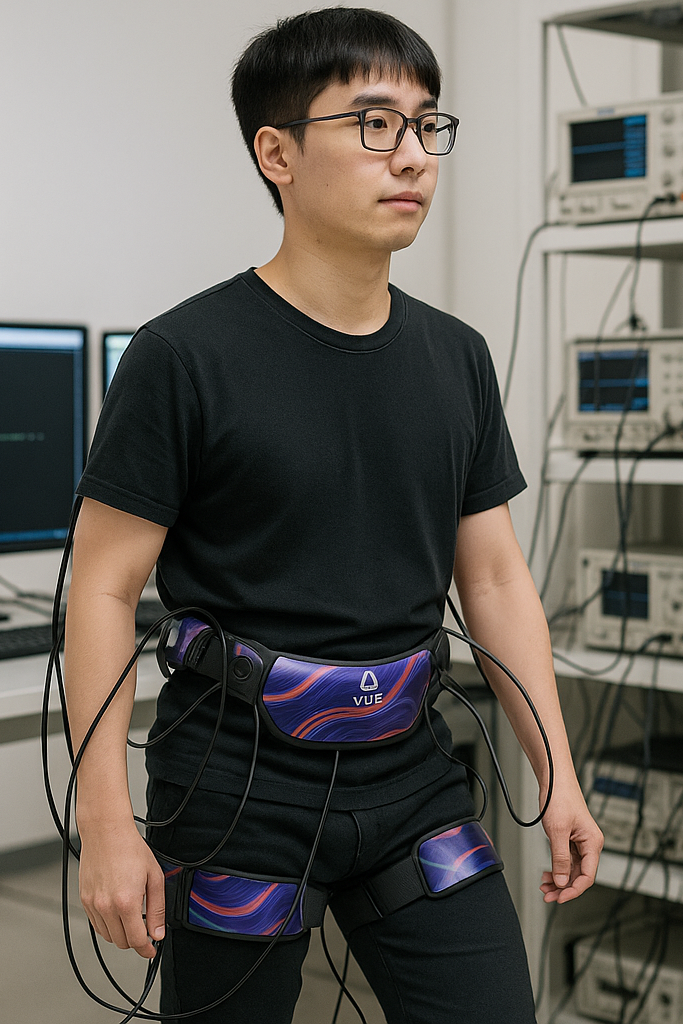
How universities are using exoskeletons in robotics and human performance research Universities and research centers across Europe are always looking for the next frontier in biomechanics, robotics, and human performance. Increasingly, that frontier is wearable robotics, exoskeletons. Once considered futuristic or impractical, exoskeletons are now affordable and accessible enough to become standard tools in labs, classrooms, and training centers. Why Exoskeletons Belong in Academia For researchers and educators, exoskeletons offer: Hands-on learning for engineering, robotics, and biomechanics students. Experimental platforms for testing human–machine interaction. Data collection tools for studying gait, balance, and endurance. Cross-disciplinary applications in sports science, healthcare, and ergonomics. Instead of being abstract concepts in textbooks, exoskeletons allow students to experience real-world innovation firsthand. The Kenqing ANT-C1-E: Built for Research Among the Kenqing lineup, the ANT-C1-E stands out as a perfect research platform: Ultralight (2.3 kg) – easy to use for long sessions. Adaptive torque (8 kg per leg) – suitable for controlled experiments. Modes: Walking & Fitness – versatile for academic studies. App control (Android/iOS) – real-time parameter adjustments and data tracking. Safe & non-medical – accessible to a wide range of users in supervised settings. This makes it ideal for universities, biomechanics labs, and training centers that want both usability and reliable data. Real-World Academic Applications Robotics & engineering programs → designing control algorithms and testing AI adaptation. Sports science labs → studying endurance, gait efficiency, and performance improvement. Healthcare research → mobility studies, elderly care simulations, rehabilitation trials. Cross-disciplinary projects → combining mechanical engineering, human physiology, and data science. A Catalyst for Innovation By integrating exoskeletons into education, universities: Attract research funding and partnerships. Inspire the next generation of robotics engineers and scientists. Build bridges between academic theory and practical, market-ready applications. Conclusion: From Classroom to Real World Exoskeletons are no longer just the subject of academic papers, they are tools shaping the future of mobility, industry, and healthcare. At Eazy Walking, we provide Kenqing research-focused exoskeletons, including the ANT-C1-E, to universities and labs across Europe (except Germany, UK, and France). 👉 Contact us today to explore how your university or research center can integrate exoskeletons into teaching, training, and groundbreaking studies.

chatgpt image aug 21, 2025, 12 29 21 pm
Uncategorized

Supporting mobility: the role of exoskeletons in elderly care and research

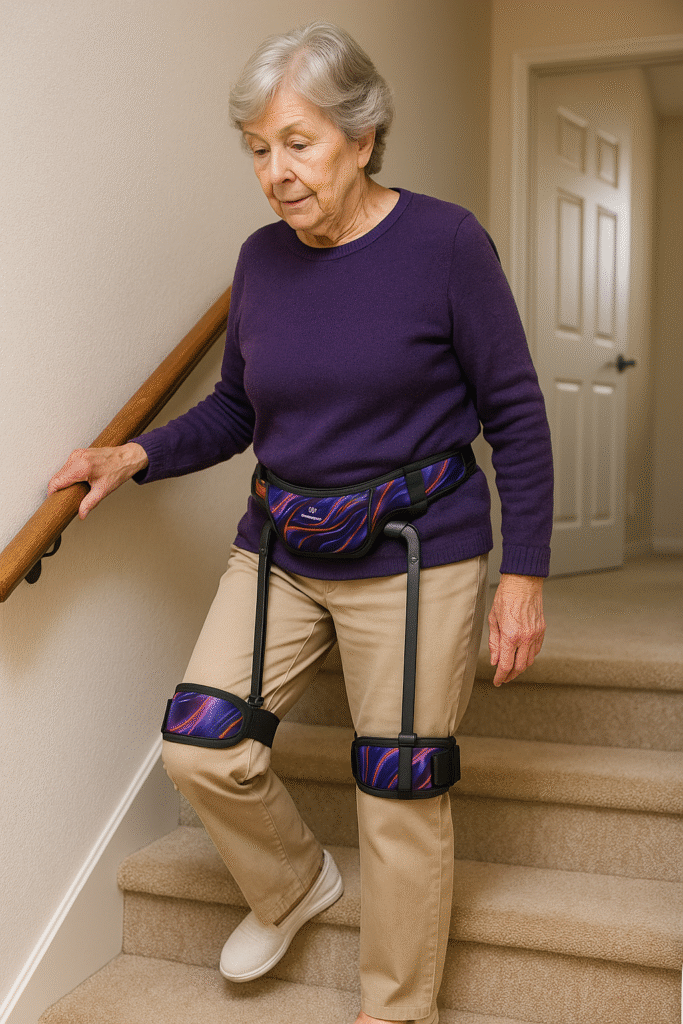
Supporting mobility: the role of exoskeletons in elderly care and research Mobility is freedom. For elderly people, limited mobility often means a loss of independence, reduced social interaction, and a lower quality of life. Researchers, caregivers, and innovators are now exploring a new way to extend mobility: exoskeleton technology. Exoskeletons, once associated only with industry and sci-fi movies, are emerging as valuable tools in elderly care and mobility research across Europe. Why Mobility Matters in Aging Europe’s population is aging rapidly. According to Eurostat, nearly one in five Europeans is over 65, and many face daily mobility challenges. Limited mobility is linked to: Reduced independence Higher risk of falls Social isolation Declining overall health Traditional aids like canes and walkers provide support, but they do not actively reduce fatigue or assist movement. That’s where exoskeletons come in. How Exoskeletons Support the Elderly Modern assistive exoskeletons: Reduce effort required for walking, stairs, or standing. Provide torque support for knees and hips, lowering strain. Adapt to the user’s pace with AI-driven motion control. Are lightweight and comfortable, designed for daily use. Unlike medical rehabilitation devices, lifestyle exoskeletons like the Kenqing ANT-C1 Pro or ANT-H1 Pro are built for supportive walking assistance, making activities safer and less exhausting for older users. Research & Education Applications Universities and labs across Europe are integrating exoskeletons into biomechanics, sports science, and elderly mobility studies. Devices like the ANT-C1-E provide an accessible research platform: Collecting data on gait, torque, and endurance Testing new mobility programs Training caregivers and physiotherapists Exploring how wearable robotics can extend healthy living This is not just about mobility, it’s about building a future where technology and care go hand in hand. Real-World Impact Elderly care facilities can introduce exoskeletons to help residents participate in walks, activities, and outings. Hospitals & universities can trial them in controlled studies to refine care practices. Caregivers gain peace of mind knowing their patients have extra support. A New Chapter in Care & Research Exoskeletons will never replace human care, but they can become powerful allies. They provide confidence to seniors, data to researchers, and innovation to care providers. At Eazy Walking, we bring the Kenqing elderly care and research exoskeletons to Europe (excluding Germany, UK, and France). Whether you are a care facility, a university, or a research lab, we can help you select and deploy the right model for your needs. 👉 Contact us today to explore how exoskeletons can support your elderly care or research project.

Uncategorized

The ROI of exoskeletons: why investing in workforce support pays off

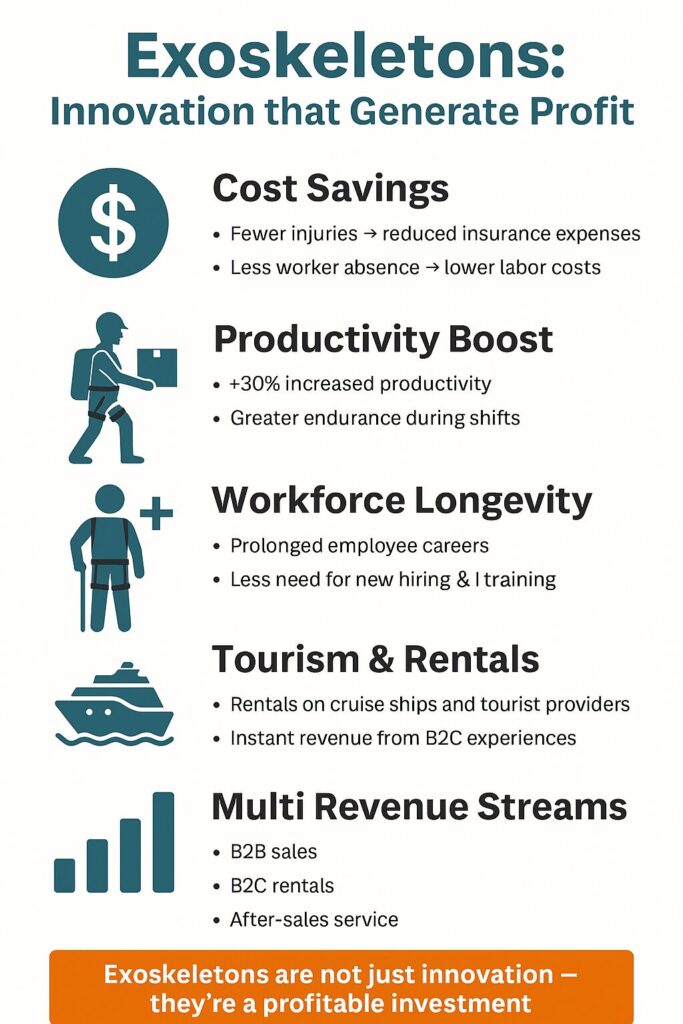
The ROI of exoskeletons: why investing in workforce support pays off For many European companies, the idea of exoskeletons still feels futuristic. But the question executives should ask is not “Is this possible?”, it’s “Does this make financial sense?” The answer is clear: yes. Exoskeletons deliver measurable returns by reducing injuries, improving efficiency, and extending the working life of employees. The Hidden Costs of Workplace Fatigue Musculoskeletal disorders (MSDs) are among the most common occupational health issues in Europe. They lead to: Absenteeism – sick leave can last weeks or months. Lower productivity – workers tire faster, leading to reduced output. Staff turnover – fatigue and pain drive employees to leave high-demand jobs. Insurance & compensation costs – claims can rise sharply in injury-heavy industries. These costs are rarely visible on a balance sheet, but they erode margins year after year. How Exoskeletons Change the Equation By supporting the body, exoskeletons: Reduce fatigue by 30% or more. Prevent injuries that would otherwise require medical leave. Improve consistency and accuracy in physical tasks. Enable workers to perform demanding roles for longer careers. This means fewer hidden costs and higher, sustainable output. Calculating ROI Let’s look at a logistics hub with 100 workers: Average cost of a back injury claim: €25,000–€40,000 Average sick leave days per worker per year: 8–12 Estimated productivity loss due to fatigue: 10–15% If exoskeleton adoption prevents just 2 serious injuries per year and reduces fatigue-related inefficiency by 5%, the savings can reach hundreds of thousands of euros annually, more than covering the cost of equipping staff. A Long-Term Investment Exoskeletons are durable, modular, and designed for years of use. With proper training and maintenance, companies can benefit from: 3–5 year service life per unit 24-month warranty & repair network (Kenqing’s certified centres in China) Easy scaling from pilot programs to full workforce deployment Beyond Numbers: Employer Branding There’s also a strategic benefit: adopting exoskeletons positions your company as a forward-thinking employer that values worker wellbeing. This enhances your reputation, helps attract skilled employees, and can strengthen client relationships. Conclusion: ROI You Can Feel Exoskeletons are not just machines, they are a workforce multiplier. They pay for themselves by reducing risks, improving productivity, and protecting human capital. At Eazy Walking, we work with European companies to design tailored exoskeleton programs: from small pilots to large-scale deployments. 👉 Get in touch with our team to calculate the ROI potential for your company.

chatgpt image aug 21, 2025, 01 11 29 pm
Uncategorized

Exoskeletons in industry: how European companies can reduce workplace injuries

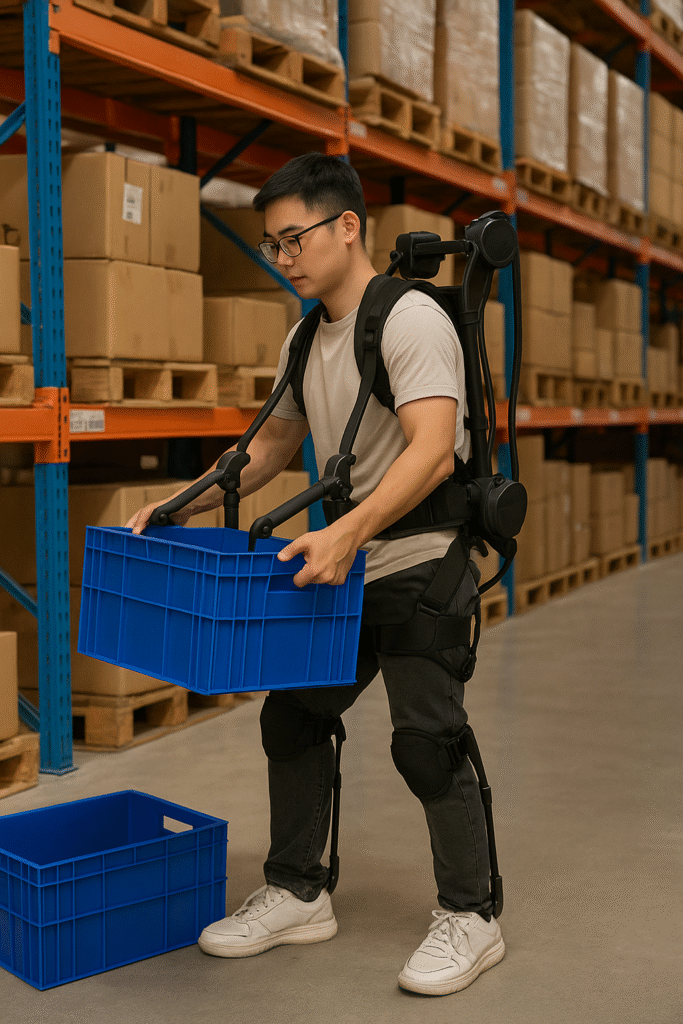
Exoskeletons in industry: how European companies can reduce workplace injuries Every year, thousands of European workers suffer from back injuries, joint pain, and fatigue caused by repetitive lifting and long shifts in warehouses, factories, and logistics hubs. The impact is not only personal, it costs companies millions in lost productivity, compensation, and turnover. Now, a new solution is emerging: industrial exoskeletons. What Are Industrial Exoskeletons? Industrial exoskeletons are wearable robotic systems that support the body during physically demanding tasks. By redistributing weight and providing torque assistance, they reduce strain on muscles and joints. Unlike traditional protective equipment, exoskeletons are proactive: they don’t just protect against accidents, they actively prevent fatigue and injuries by sharing the workload. Benefits for Employers & Workers Reduced injuries: Lower risk of musculoskeletal disorders (MSDs). Higher productivity: Workers sustain performance throughout long shifts. Lower turnover: Less burnout, better morale, improved retention. Safety compliance: Supports EU workplace safety initiatives. Positive image: Shows commitment to employee wellbeing and innovation. Case Applications Logistics & Warehousing → reduce back strain from constant lifting and bending. Manufacturing & Assembly → support repetitive tasks requiring sustained posture. Construction → assist with carrying tools and materials safely. Agriculture & Ports → reduce fatigue in long outdoor shifts. With models like the Kenqing Q20 (the world’s lightest waist-assist exoskeleton, only 2.7 kg) and the A10 (offering 30 kg support capacity), European companies can find solutions for different work environments. ROI: Safety Meets Profitability Investing in exoskeletons isn’t just about avoiding injury, it’s about boosting efficiency. A workforce that experiences less fatigue can handle more tasks, with fewer errors and absences. For employers, that means: Lower insurance costs Fewer sick days Higher output per worker The return on investment can be visible within months, not years. A Responsible Adoption It’s important to highlight that exoskeletons are not replacements for workers, but tools to support them. Training and proper use are essential to ensure both safety and efficiency. The Future of Safer Work Exoskeletons are no longer experimental, they are practical, field-tested solutions already being deployed in Europe and Asia. At Eazy Walking, we bring the leading Kenqing exoskeleton range directly to European companies (except Germany, UK, and France). Whether you manage a warehouse, a port, or a manufacturing plant, we can help you evaluate, pilot, and implement the right exoskeleton program for your workforce. 👉 Contact us today to discuss industrial solutions for your company.

Uncategorized

From science fiction to daily life: the rise of exoskeletons in Europe

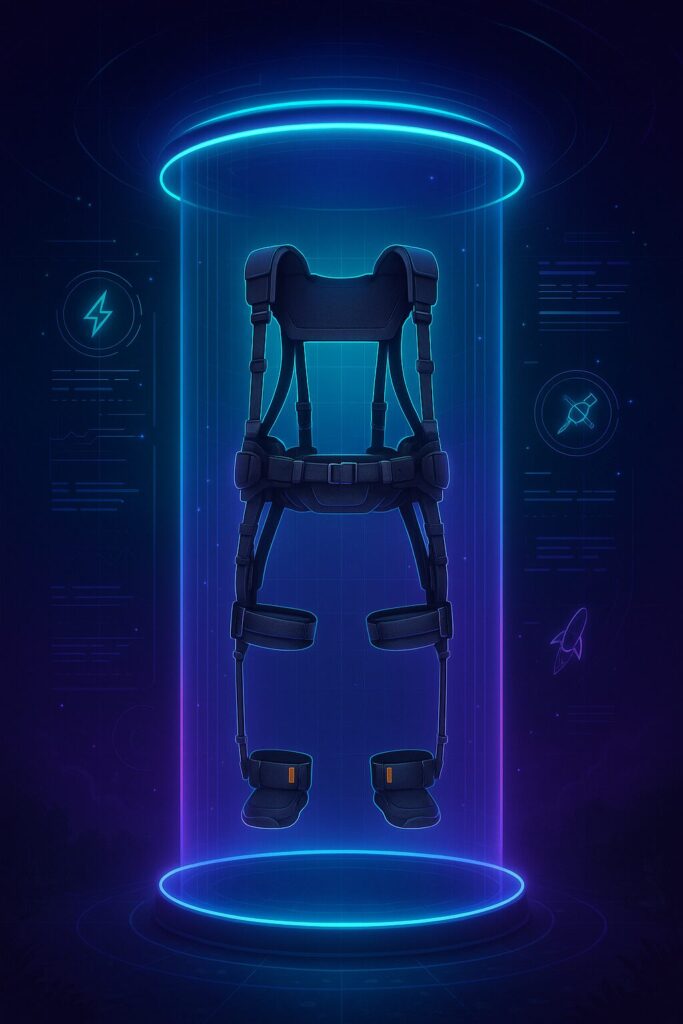
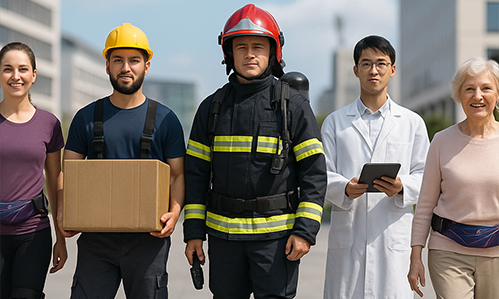
From science fiction to daily life: the rise of exoskeletons in Europe For decades, exoskeletons have lived in the realm of science fiction, iron suits in movies, robotic enhancements in futuristic novels, and visions of a cybernetic future. What once felt like fantasy is now becoming a reality. Across Europe, exoskeletons are moving out of research labs and into factories, tourist attractions, and even cruise ships. The line between sci-fi dreams and practical tools has never been thinner. Exoskeletons Today: More Than Machines Modern exoskeletons are not bulky, military devices. They are: Lightweight: some models weigh under 2 kg. Smart: equipped with AI motion sensing that adapts to natural movement. Versatile: applied in industry, tourism, sports, rescue, elderly care, and research. From helping factory workers lift safely, to allowing tourists to walk further with less fatigue, exoskeletons are quietly transforming how we work, move, and experience the world. Why Europe Is at the Forefront Europe is a natural fit for exoskeleton adoption: Aging workforce & population → technology supports productivity and mobility. Tourism powerhouses → attractions, cruise lines, and operators want to enhance guest experiences. Research & universities → Europe is a hub for robotics, biomechanics, and applied sciences. The demand is no longer theoretical, it’s here. The Emotional Side of Technology What makes exoskeletons so compelling isn’t only the engineering. It’s the emotional promise: To walk longer with less effort. To explore more of the world. To make demanding jobs safer. To feel empowered by technology instead of limited by fatigue. This is where the shift from science fiction to daily life is most visible, when a tool becomes an experience enhancer. From Sci-Fi to Shopping Cart The most exciting part? You don’t need to wait for the future. Exoskeletons are available today. At Eazy Walking, we are proud to be the exclusive distributor of Kenqing exoskeletons in Europe (except Germany, UK, and France). Whether you’re a tour operator, a business looking for industrial solutions, or an individual who simply wants to walk further with less fatigue, the future of mobility is already here. 👉 Browse our shop to discover the Kenqing π (Pi), industrial assist models, rescue exoskeletons, and more. What was once a science-fiction fantasy is now a product you can order, ship, and wear, today.

Uncategorized

Walking into the future: How the Kenqing Pi is changing tourism and leisure

Walking into the future: How the Kenqing π (Pi) is changing tourism and leisure Imagine exploring a historic European city, hiking a scenic trail, or joining a cruise excursion, without the fatigue that usually comes with long walks. This vision is now a reality thanks to the Kenqing π (Pi), a next-generation exoskeleton designed for sports, tourism, and active lifestyles. At Eazy Walking, we believe mobility should feel effortless. The Kenqing π (Pi) brings the future of wearable robotics to everyday experiences, allowing people to walk further, climb higher, and enjoy more, without the strain. What Is the Kenqing π (Pi)? The Kenqing π (Pi) is a lightweight exoskeleton that weighs less than 2 kg and provides up to 12 kg of walking assistance. It uses AI motion sensing to adapt naturally to your pace, making every step feel smoother and lighter. With a sleek, foldable design and a choice of three stylish colors (Elegant Black, Purple Flame, Shadow), it blends high-tech engineering with lifestyle fashion. Why It Matters for Tourism Tourism today is about experience, inclusivity, and comfort. Walking tours, cruise excursions, and outdoor activities can be physically demanding, especially for older travelers or those with limited stamina. By renting or using the Kenqing π (Pi): Guests walk further without fatigue. Operators increase satisfaction with more accessible tours. Cruise lines and attractions differentiate by offering innovative, future-ready experiences. It’s the next step after audio guides and VR headsets, an amenity that makes tours not just informative, but physically enjoyable. Benefits Beyond Tourism While tourism is a key application, the Kenqing π (Pi) is also popular among: Fitness enthusiasts who want enhanced endurance. Hikers & outdoor explorers who tackle challenging routes. Everyday users who want mobility support in daily life. With the Pi Plus edition, even more advanced fitness and running modes are available, making it a versatile choice for both leisure and sport. A Lifestyle Device, Not a Medical One It’s important to note that the Kenqing π (Pi) is a lifestyle and sports exoskeleton—not a medical rehabilitation device. It’s designed for healthy, active individuals who want to expand their possibilities and reduce fatigue in recreational activities. The Future of Walking Starts Here Exoskeletons are no longer confined to research labs or sci-fi movies, they’re here, ready to change how we move, travel, and experience the world. The Kenqing π (Pi) embodies this future: stylish, practical, and available today. Whether you’re a tourism operator looking to add rentals or an individual wanting to walk further with less effort, the Kenqing π (Pi) is your gateway to a new era of mobility. 👉 Explore the Kenqing π (Pi) now

Shopping Cart
Scroll to Top