Supporting mobility: the role of exoskeletons in elderly care and research
Mobility is freedom. For elderly people, limited mobility often means a loss of independence, reduced social interaction, and a lower quality of life. Researchers, caregivers, and innovators are now exploring a new way to extend mobility: exoskeleton technology.
Exoskeletons, once associated only with industry and sci-fi movies, are emerging as valuable tools in elderly care and mobility research across Europe.
Why Mobility Matters in Aging
Europe’s population is aging rapidly. According to Eurostat, nearly one in five Europeans is over 65, and many face daily mobility challenges. Limited mobility is linked to:
- Reduced independence
- Higher risk of falls
- Social isolation
- Declining overall health
Traditional aids like canes and walkers provide support, but they do not actively reduce fatigue or assist movement. That’s where exoskeletons come in.
How Exoskeletons Support the Elderly
Modern assistive exoskeletons:
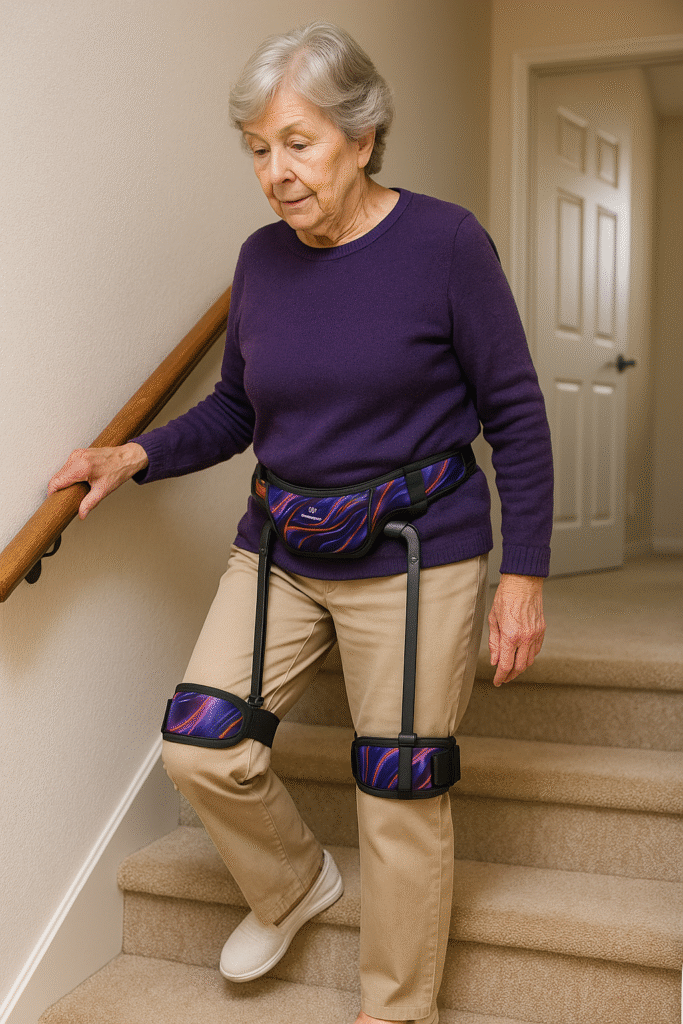
- Reduce effort required for walking, stairs, or standing.
- Provide torque support for knees and hips, lowering strain.
- Adapt to the user’s pace with AI-driven motion control.
- Are lightweight and comfortable, designed for daily use.
Unlike medical rehabilitation devices, lifestyle exoskeletons like the Kenqing ANT-C1 Pro or ANT-H1 Pro are built for supportive walking assistance, making activities safer and less exhausting for older users.
Research & Education Applications
Universities and labs across Europe are integrating exoskeletons into biomechanics, sports science, and elderly mobility studies. Devices like the ANT-C1-E provide an accessible research platform:
- Collecting data on gait, torque, and endurance
- Testing new mobility programs
- Training caregivers and physiotherapists
- Exploring how wearable robotics can extend healthy living
This is not just about mobility, it’s about building a future where technology and care go hand in hand.
Real-World Impact
- Elderly care facilities can introduce exoskeletons to help residents participate in walks, activities, and outings.
- Hospitals & universities can trial them in controlled studies to refine care practices.
- Caregivers gain peace of mind knowing their patients have extra support.
A New Chapter in Care & Research
Exoskeletons will never replace human care, but they can become powerful allies. They provide confidence to seniors, data to researchers, and innovation to care providers.
At Eazy Walking, we bring the Kenqing elderly care and research exoskeletons to Europe (excluding Germany, UK, and France). Whether you are a care facility, a university, or a research lab, we can help you select and deploy the right model for your needs.