Exoskeletons in rescue operations: giving first responders extra endurance
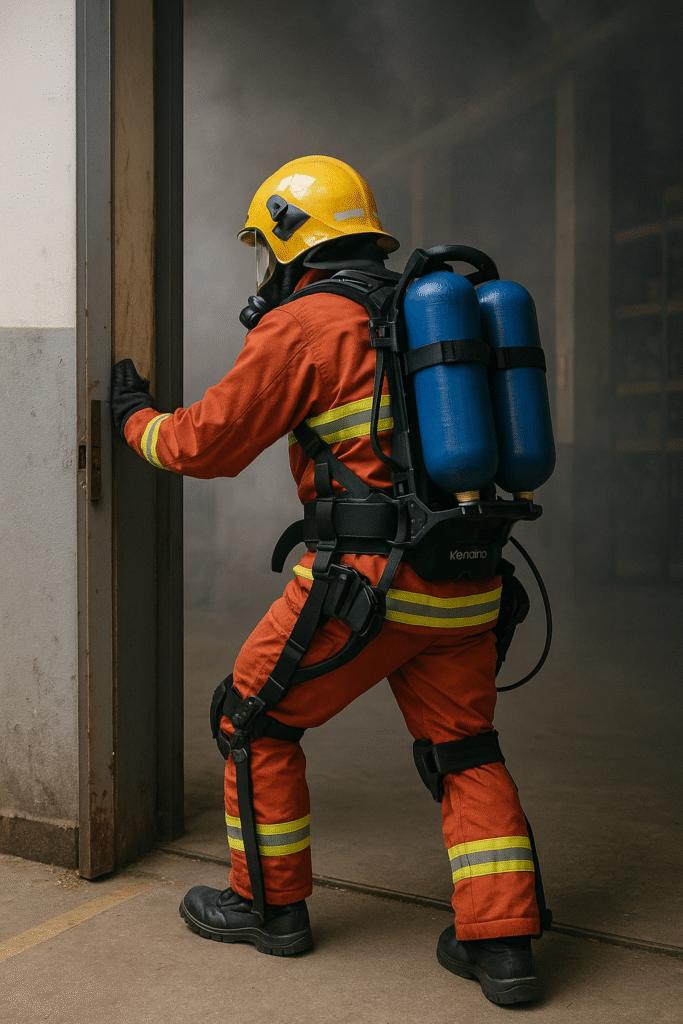
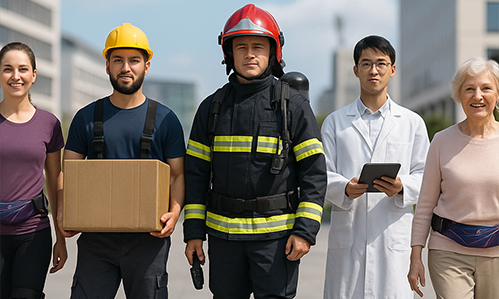
When disaster strikes, first responders face extreme physical challenges, carrying heavy gear, covering long distances, and working for hours under stress. Fatigue isn’t just uncomfortable, it can be the difference between life and death.
This is where exoskeletons are beginning to transform rescue operations, giving responders the endurance and strength they need to save more lives.
The Challenge of Rescue Work
Rescue teams regularly face:
- Heavy loads of equipment (medical kits, rescue tools, protective gear).
- Unpredictable terrain (rubble, forests, steep slopes).
- Extended missions lasting hours or days.
- High injury risk from overexertion and fatigue.
Traditional protective gear does not reduce the strain, exoskeletons do.
How Exoskeletons Help Rescuers
Rescue-focused exoskeletons provide:
- Load redistribution → shifting weight from the back to the ground (Beetle-L1).
- Torque assistance → reducing effort when walking or climbing (ANT-P1).
- Endurance extension → sustaining mission performance without early fatigue.
- Reduced injury risk → preventing musculoskeletal strain in extreme conditions.
The Kenqing Rescue Line
- Beetle-L1: Passive, lightweight, requires no battery. Redistributes up to 50% of load, perfect for patrols, forestry, and disaster zones with limited power supply.
- ANT-P1: Powered, 28 Nm torque, supports up to 50 kg of load, with replaceable batteries for long missions. Ideal for fast-moving rescue teams and emergency responders.
Together, they cover both rugged endurance patrols and high-intensity rescue missions.
Real-World Scenarios
- Disaster relief → carrying supplies across collapsed infrastructure.
- Wildfire patrols → trekking with gear through forests and rough terrain.
- Search & rescue in mountains → maintaining strength in steep climbs.
- Emergency response teams → faster movement with heavy loads.
The Human Impact
By reducing fatigue, exoskeletons:
- Allow rescuers to last longer in the field.
- Improve safety for both the team and the people they rescue.
- Enable faster, more efficient missions.
In high-stakes environments, even a small improvement in endurance can translate into lives saved.
Strength When It Matters Most
Rescue work pushes the human body to its limits. Exoskeletons extend those limits, ensuring first responders can perform with strength, endurance, and safety.
At Eazy Walking, we provide the Kenqing Beetle-L1 and ANT-P1 rescue exoskeletons across Europe (except Germany, UK, and France).